Trusted brands · Expert solutions · Complete support
Everything your laboratory needs, under one roof.
From biosafety cabinets and laminar airflow systems to decontamination, IVF, pharma and life-science solutions — supplied, installed and certified by our own engineers across Telangana and Andhra Pradesh.
Equipment specified against your application, not a catalogue number.
Where containment or chemical compatibility is in question we run Esco's FiltraCheck assessment before quoting, so you get the correct filter and model rather than the nearest available one.
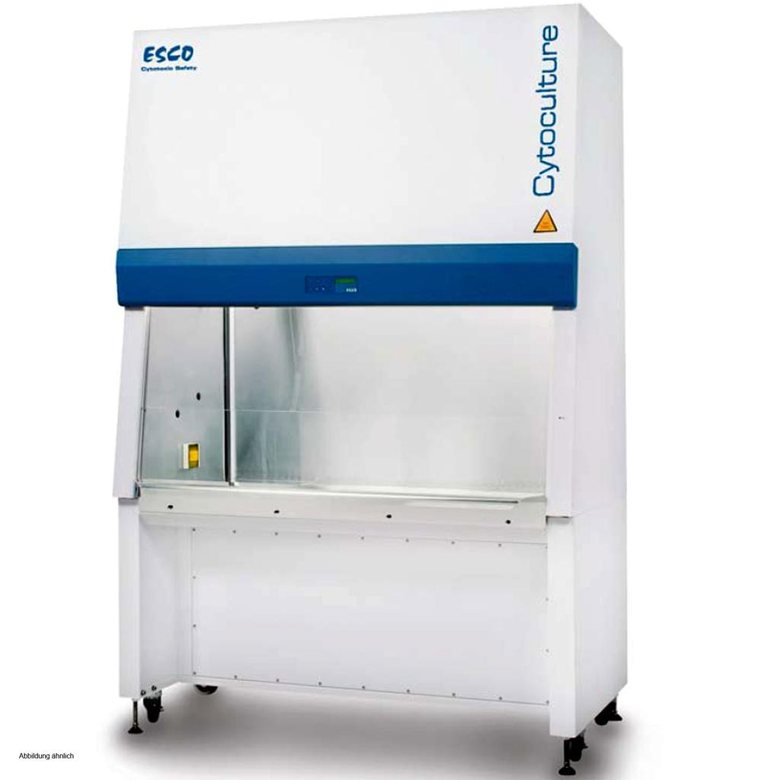
Cytotoxic safety cabinets
A safe, controlled environment for preparing and handling cytotoxic and hazardous drugs, protecting personnel and the surrounding environment from hazardous aerosols.
Cytoculture® CYT1.2 m1.8 m
EN 12469 · dual HEPA exhaust
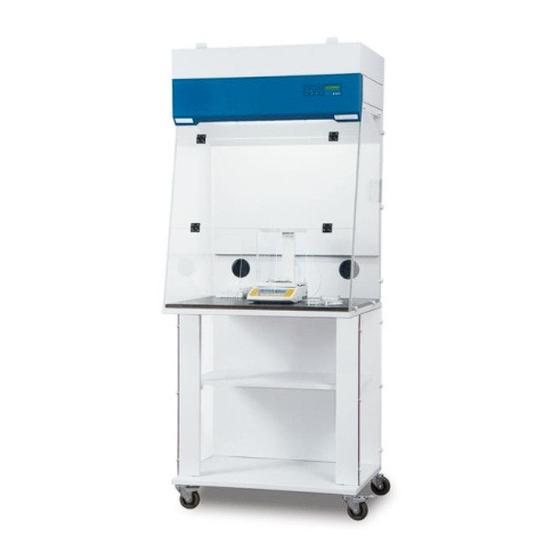
Powder weighing balance
PowderMax™ enclosures for weighing, mixing and dispensing hazardous or nuisance powders, holding balance stability to four decimal places.
PowderMax™3 ft4 ft
HEPA exhaust · 0.9 / 1.2 m
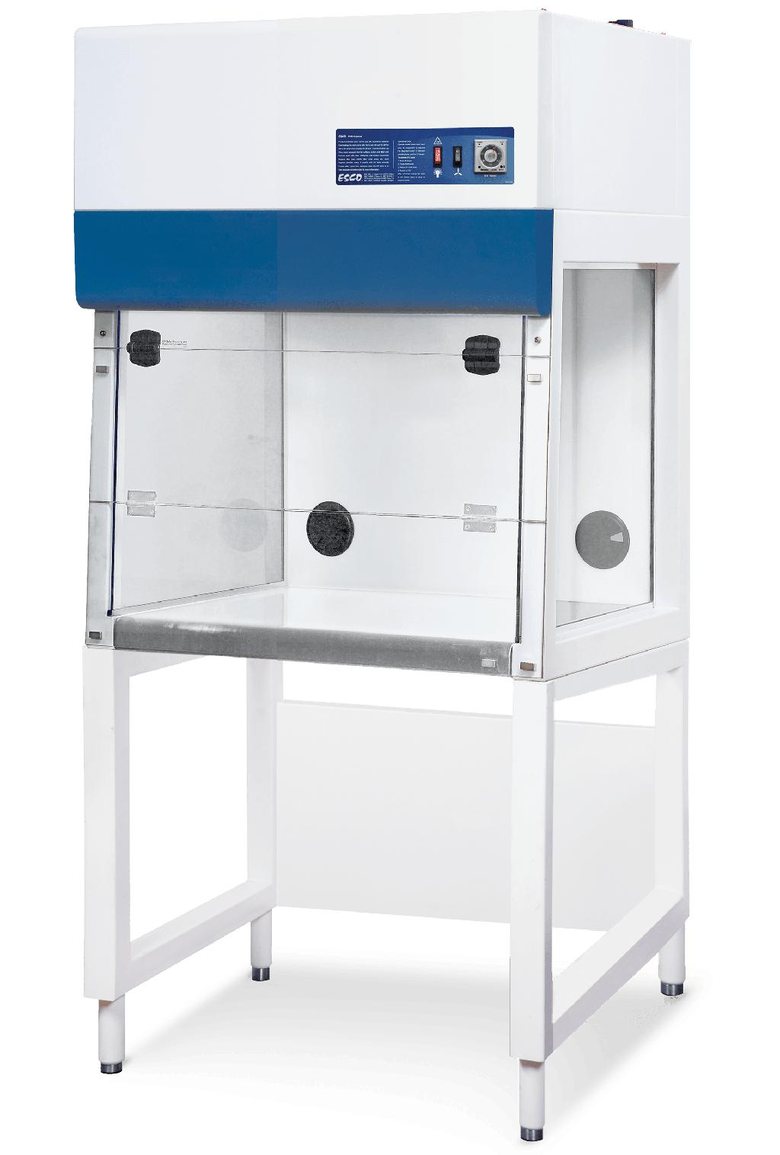
PCR cabinets
HEPA-filtered vertical laminar airflow with a built-in UV decontamination timer, minimising airborne and cross-contamination during PCR reagent and sample preparation.
PCR-ASCR-A2–4 ft
>99.99% at 0.3 µm · ISO Class 3
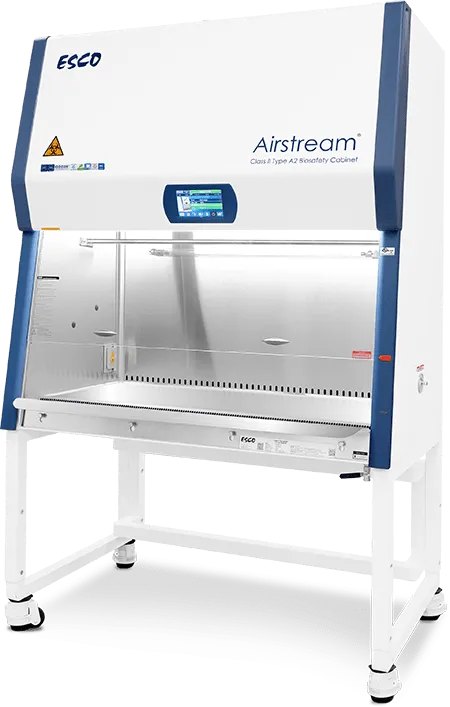
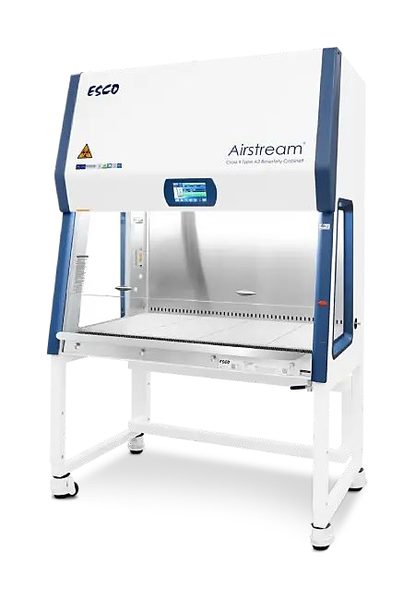
Biosafety cabinets
Class II Type A2 and B2 with ULPA filtration giving an ISO Class 3 work zone, DC ECM blowers and Centurion touchscreen control.
AC2-4S8 NS G4LA2-S G4
NSF 49 · EN 12469
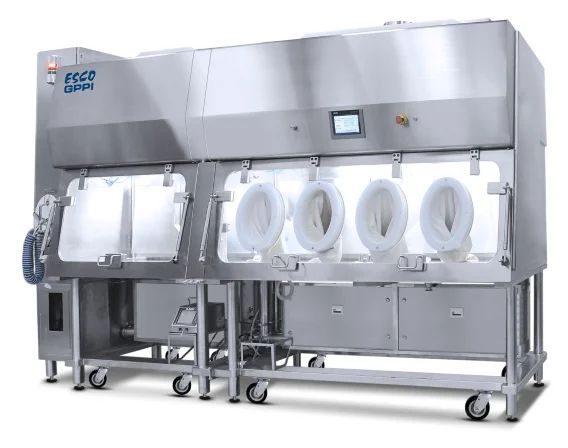
Isolators
Aseptic, containment, Class III BSC-configured, hospital compounding, cell processing and filling line. SS316L chambers, 0.45 m/s unidirectional airflow.
GPPICPICAI / CACI
ISO 10648-2 Class 3
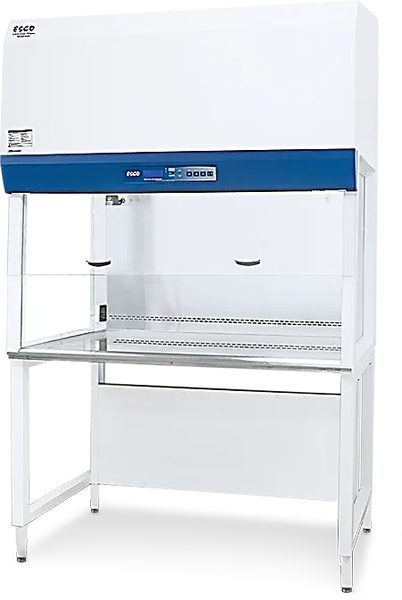
Laminar flow cabinets
Vertical and horizontal airflow, glass or stainless side walls, fixed or sliding sash. Vertical units run at 52.4 dBA.
LVG-4AG-S8LHGLVS
ULPA · ISO Class 3
Ducted fume hoods
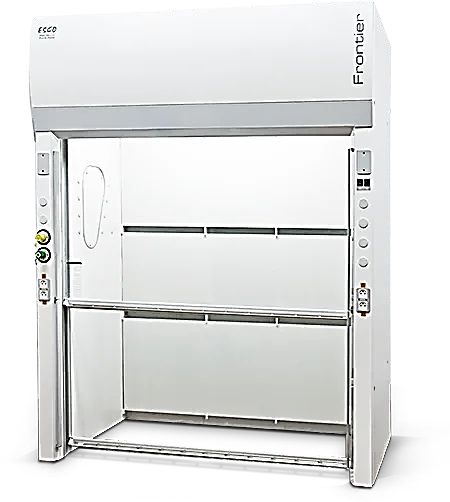
Frontier hoods for general chemistry, acid digestion, perchloric acid, radioisotope handling and floor-mounted apparatus.
EFA AcelaEFFEFQPPH
ASHRAE 110 · EN 14175
Ductless fume hoods
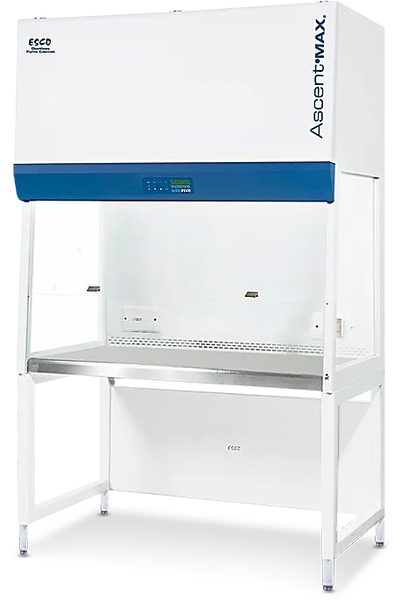
Ascent hoods with Nanocarb carbon filtration for transfer, dilution, titration and powder weighing. No ductwork, fully relocatable.
ADC-CSPD OptiSPTPW1
Optional VOC sensor
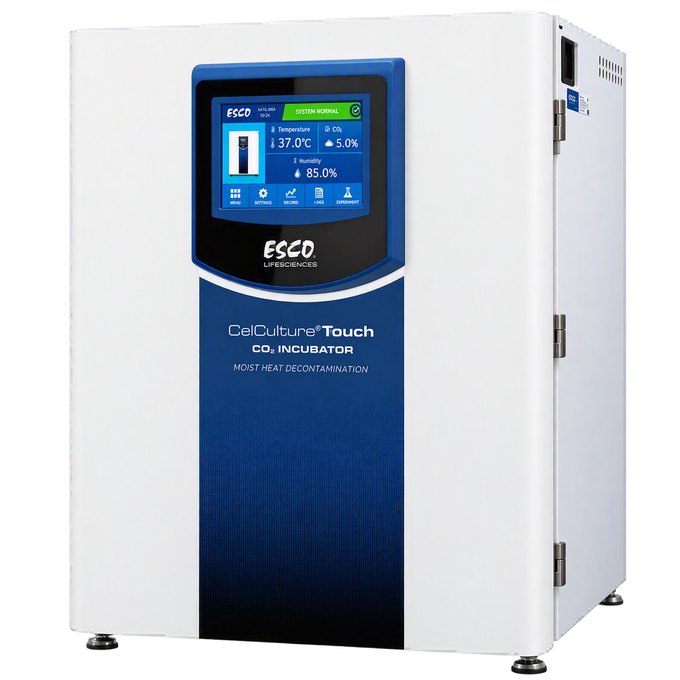
CO₂ incubators
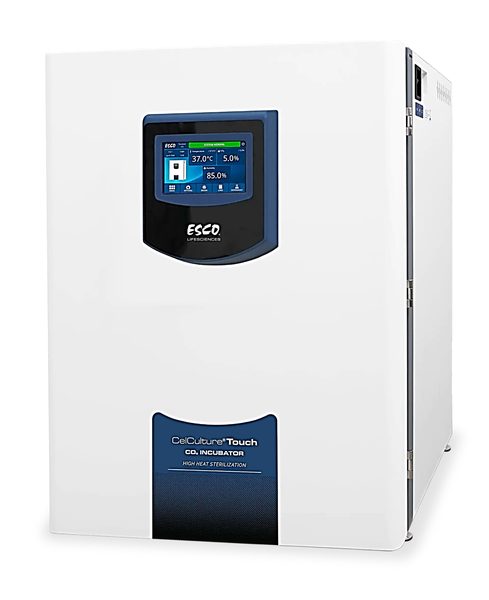
170 L and 240 L, CO₂ or CO₂+O₂ control. Touch models return to ISO Class 5 eleven minutes after a door opening.
CCL-170BCCL-240BTouch HHS
180 °C · log-6 reduction
Incubator shakers
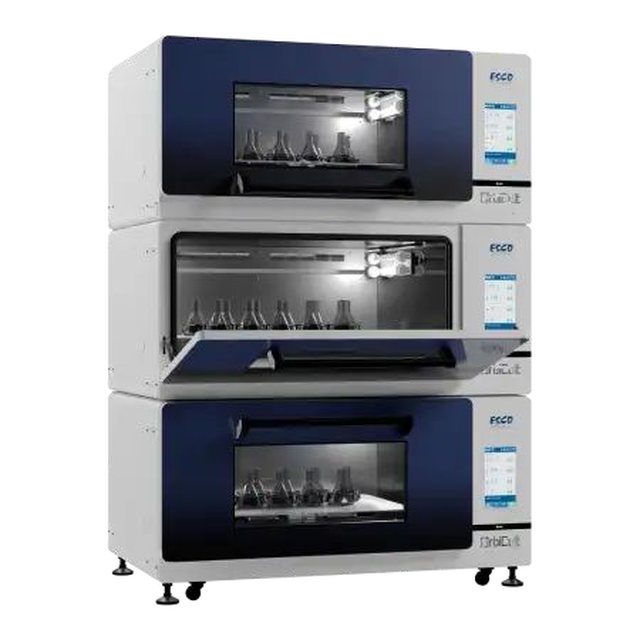
OrbiCult three-tier stacking units with independent layer control, plus ambient and refrigerated benchtop shakers.
OrbiCult
19 mm and 25 mm orbit
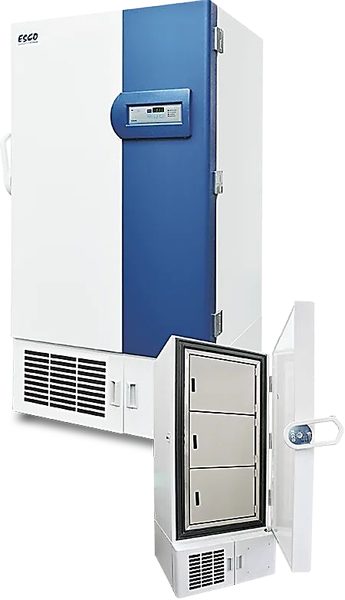
Ultra-low freezers
Lexicon II at −86 °C with triple gasket seals, two-stage cascade refrigeration and extended warm-up during power failure.
363 L480 L597 L714 L
Silver or Gold controller
Cryogenic storage
Liquid nitrogen containers and sample storage systems for cell banking and long-term biological repositories.
LN₂ systems
Capacity on request
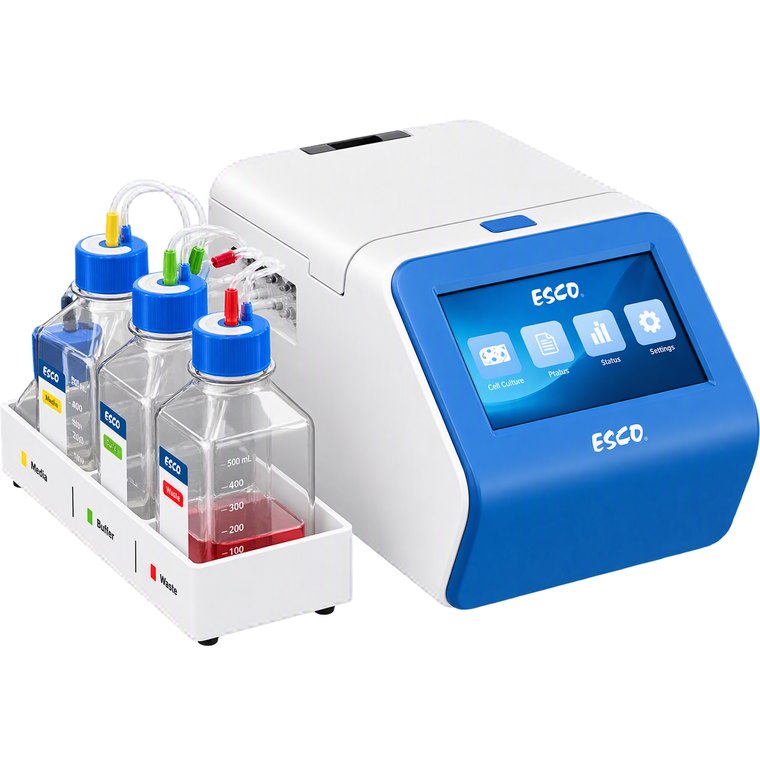
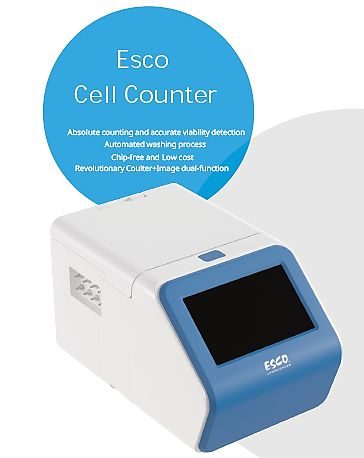
Cell counters
Coulter-principle counting with no consumable chip, 3–30 µm detection and a result in under 30 seconds.
ACC-100ACC-200ACC-300
CV ≤ 5% · trypan blue
VHP Pass Box
Static and Dynamic VHP pass boxes for safe material transfer between classified areas, plus CLEA H₂O₂ chambers for heat-sensitive materials.
VHPCLEA-CCLEA-CP
21 CFR Part 11 (optional) · >6 log
Specified before it is sold
A cabinet is only as good as the certificate that came with it.
We commission every unit ourselves, certify the airflow on site, and hand over the documentation before we leave. Nothing goes out of our hands untested.
Three cabinets that look alike and protect completely different things.
This is the single most common specification error we correct. Switch between them to see what each one actually contains.
Class II biosafety cabinet
Inflow at the sash protects the operator, ULPA-filtered downflow protects the sample, and filtered exhaust protects the room. The only one of the three you may use with pathogens — Risk Groups 1, 2 and 3.
OperatorSampleEnvironment
Laminar flow cabinet
Purified air flows across the work zone and out through the open front. Excellent for media plate preparation, plant tissue culture and electronics assembly — and unsafe for anything infectious, because the airflow travels toward the operator.
OperatorSampleEnvironment
PCR cabinet
HEPA-filtered vertical downflow with a UV cycle to clear amplicon carry-over between runs. Built for mastermix and reagent preparation, not for handling organisms. A dead-air box offers neither the filtration nor the airflow.
OperatorSampleEnvironment
Featured unit
Airstream NS G4 Class II Type A2
Our most-specified cabinet for pharma QC and research microbiology. NSF-certified, compact enough for tight rooms, and the four-foot unit draws just 184 watts.
ULPA filtration — ISO Class 3 work zone, ten times the efficiency of HEPA, same ten-year filter life.
DC ECM blower — up to 70% energy saving against an AC motor; 184 W on the 4 ft unit.
Standby height — holds the ISO Class 3 zone with the fan at half speed between sessions.
Stainless side walls with side capture zones and negative pressure to optimise containment.
Single-piece work tray — spill retaining, quick to clean, with support beams to cut vibration.
Isocide coating eliminates 99.9% of surface bacteria within 24 hours.
Centurion touchscreen with a 3D cabinet diagram showing alarm type and correct intervention.
USB and Remote Modbus for BMS connectivity and secure remote access to cabinet data.
21 CFR Part 11 (optional) compliance available as an option.
Widths — 2, 3, 4, 5 and 6 ft with 8" or 10" sash openings.
Supply — 220–240 V, 50/60 Hz. Item 2011404 for the 8" sash, 2011605 for 10".
What energy-efficient actually means on a spec sheet.
Manufacturer-published values for Esco units, not comparisons against other brands. Bars are scaled for readability.
Airstream NS G4, 4 ft — power draw 184 W
DC ECM blower, up to 70% saving against an AC motor.
NordicSafe Class II — power draw 190 W
ebm-papst DC ECM blower, EU models.
NordicSafe Class II — noise 51 dBA
Quietest cabinet in the Esco range.
Airstream Gen 3 vertical LAF — noise 52.4 dBA
Vertical airflow, ULPA filtered.
CelCulture Touch — recovery to ISO Class 5 11 min
Measured after a door opening, with ULPA filtration.
How we work
From application brief to annual recertification.
A cabinet that has drifted out of specification is more dangerous than no cabinet at all, because people trust it. Every unit we sell stays on a certification calendar.
1
Specify
Chemicals, volumes and room constraints before a model is quoted.
2
Install
Delivery, siting and commissioning by our own engineers.
3
Qualify
Airflow certification, filter integrity testing and IQ/OQ documents.
4
Decontaminate
vH₂O₂ cycles on schedule, or on call after a spill.
5
Recertify
Annual revalidation with reports your auditor will accept.
After the sale
The equipment is half of it. Keeping it certified is the other half.
Our engineers are factory-trained on the products we sell, and the validation documentation we hand over is built for a regulated environment.
Installation & qualification
Commissioning and certification completed in one visit, with paperwork handed over before we leave.
IQ / OQ protocols
Airflow and filter integrity testing
Warranty registration
Decontamination service
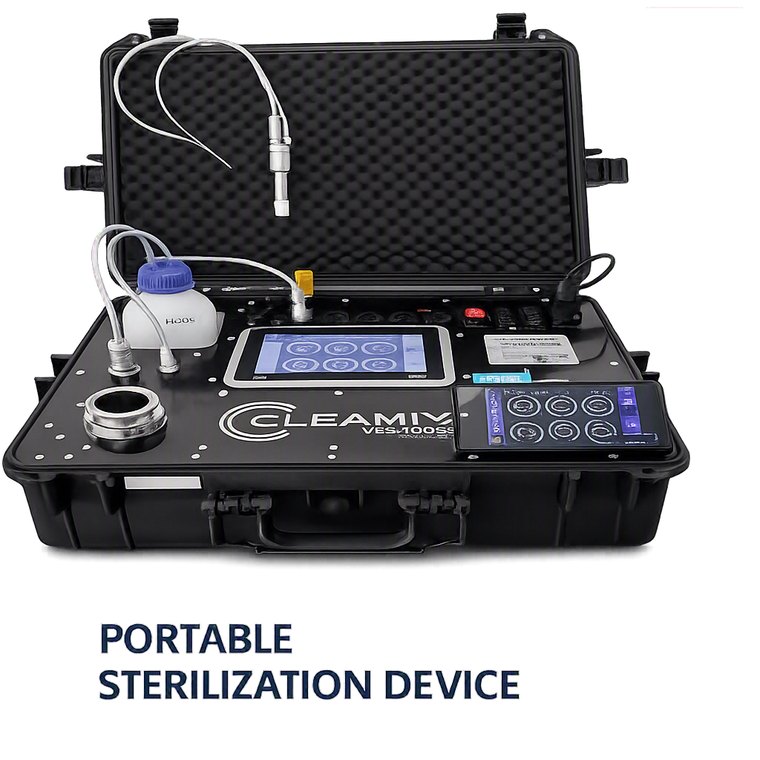
vH₂O₂ decontamination using the Cleamix system — a single cabinet or an entire facility.
Annual, half-yearly, quarterly or monthly
On-call contamination response
Packages for cabinets and isolators
Validation documentation
Reporting that stands up when an auditor asks how you know the cabinet still works.
21 CFR Part 11 compliant (optional) reports
Chemical indicator validation
Scheduled recertification reminders
Across two states
Engineers who have opened the cabinet, not just sold it.
Factory-trained service teams covering Telangana and Andhra Pradesh, with vH2O2 decontamination available on contract or on call.
Common situations, and what we would actually recommend.
Drawn from Esco's published application guidance and our own installations. If your situation is not here, describe it and we will answer it properly.
Handling hydrochloric and sulfuric acid, with heating.
Heat plus frequent high-volume acid work saturates a carbon filter quickly and can damage it. A ductless hood is the wrong tool here regardless of how convenient the installation would be.
Frontier Acid Digestion (EFQ) ducted hood
The same acids, but only transfer, dilution and titration.
Without heating and with modest volumes, carbon filtration holds the application safely, and you avoid the cost and disruption of ductwork.
Ascent Max with Nanocarb type B filter
Weighing hazardous powder to four decimal places.
Ordinary hoods disturb the balance. The enclosure has to hold containment without airflow destabilising the reading, which needs a purpose-built design and a low-vibration worktop.
Powdermax PW1, or a ventilated balance enclosure
Preparing PCR mastermix in the same room as amplification.
Carry-over contamination is the risk, not operator exposure. You need HEPA downflow plus a UV cycle between runs — a dead-air box provides neither.
Airstream PCR cabinet with UV timer
No exhaust route and tight ceiling clearance.
Type B2 needs ducting, an exhaust blower and height. Where the building cannot provide it, a Type A2 with a thimble connection often satisfies the requirement — provided the chemistry allows it.
Class II Type A2 with thimble exhaust collar
Long-term cell banking on a site with frequent power cuts.
Pull-down speed matters less than warm-up time when the supply fails. Triple gasket seals, thick polyurethane insulation and a backup injection port are what actually protect the samples.
Lexicon II with LCO₂ backup and Gold controller
Who we serve
Labs across pharma, research, healthcare and agriculture.
Hyderabad's density of formulation, CRO and diagnostics work means most of our installations sit inside regulated environments.
Pharmaceutical
Sterile compounding, QC microbiology, HPAPI containment and formulation suites.
Biotech & CRO
Cell culture, molecular biology and process development laboratories.
Hospital & diagnostics
Compounding isolators to USP <797> and <800>, pathology and clinical chemistry.
Academic & research
Teaching labs, core facilities and university research groups.
Food, agri & veterinary
Food microbiology, plant tissue culture and animal science facilities.
Cell & gene therapy
Grade A cell processing isolators and cGMP manufacturing suites.
Where we work
Esco territory: Telangana and Andhra Pradesh.
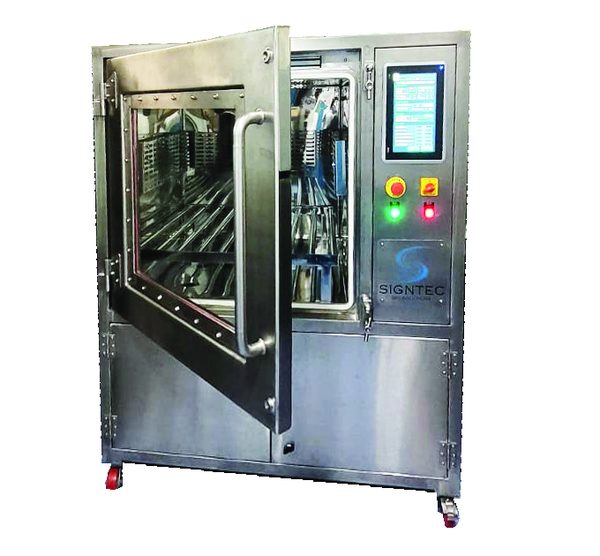
Sales, installation and service across both states from our Hyderabad base. Sterilization and decontamination systems from Signtec and DECX are supplied more widely.
Built by people who serviced this equipment before they sold it.
NVAK was founded in 2021 by Vamsi Krishna Nittala, who spent years at Esco Biotech India and holds fourteen years in laboratory instrumentation. Esco appointed NVAK for Telangana and Andhra Pradesh on the strength of that record.
That history is why we tend to argue with a specification before we quote it. Buying a six-foot cabinet for a room that cannot exhaust it, or a Type A2 for solvent work that needs a B2, costs far more than the difference in price.
When a cheaper model genuinely covers your application
When the model you asked for will not hold your chemistry
When your room cannot support the unit you want
What the recertification will cost before you buy
Which options you do not need
Before you buy
Questions our customers ask first.
If your question is not here, call the number below and speak to someone who has installed the unit rather than only sold it.
Type A2 is ductless and effectively plug-and-play — once delivered and installed it can be used immediately. Type B2 is total exhaust and requires a ducting system, so the room needs sufficient space, height clearance and an exhaust blower. If your work involves volatile chemicals in anything beyond trace amounts, B2 is usually the honest answer.
Only for non-pathogenic work. A laminar flow cabinet protects the sample, not the operator, so it must not be used with infectious material. The same applies to PCR cabinets. If you need operator protection you need a biosafety cabinet.
No. An open flame disrupts airflow containment and becomes dangerous when volatile or flammable substances are present. Microburners, microincinerators or electric furnaces are the alternatives. If a Bunsen is unavoidable it should run at the lowest possible flame.
Laminar flow cabinets and biosafety cabinets should be certified at least annually, and always after a filter change or a relocation. Some institutions require a more frequent schedule. We put every unit we install on a reminder calendar so it does not lapse quietly.
Before a filter change, before relocation to another area or facility, before certification so the engineer is protected, and after any major spill. We run these cycles as part of a service plan or on call.
Through FiltraCheck, a free chemical assessment from Esco. You send the chemicals, volumes and handling method; it returns the recommended model, the correct carbon filter type and an estimate of filter life. We run this before quoting rather than after.
70% isopropyl alcohol on a clean cloth, daily. Avoid bleach and chlorine-based agents on stainless surfaces — they cause rusting and staining over time.
Up to ten years if stored correctly — in original packaging, away from damp, excessive heat, cold or rapid temperature swings. Filters tolerate up to 95% humidity; beyond that the media can block and fail.
Tell us the application, not just the model number.
Send the chemicals, volumes and room constraints you are working with and we will come back with a specification, a drawing and a price. If a ductless hood will not hold your application safely, we will say so.